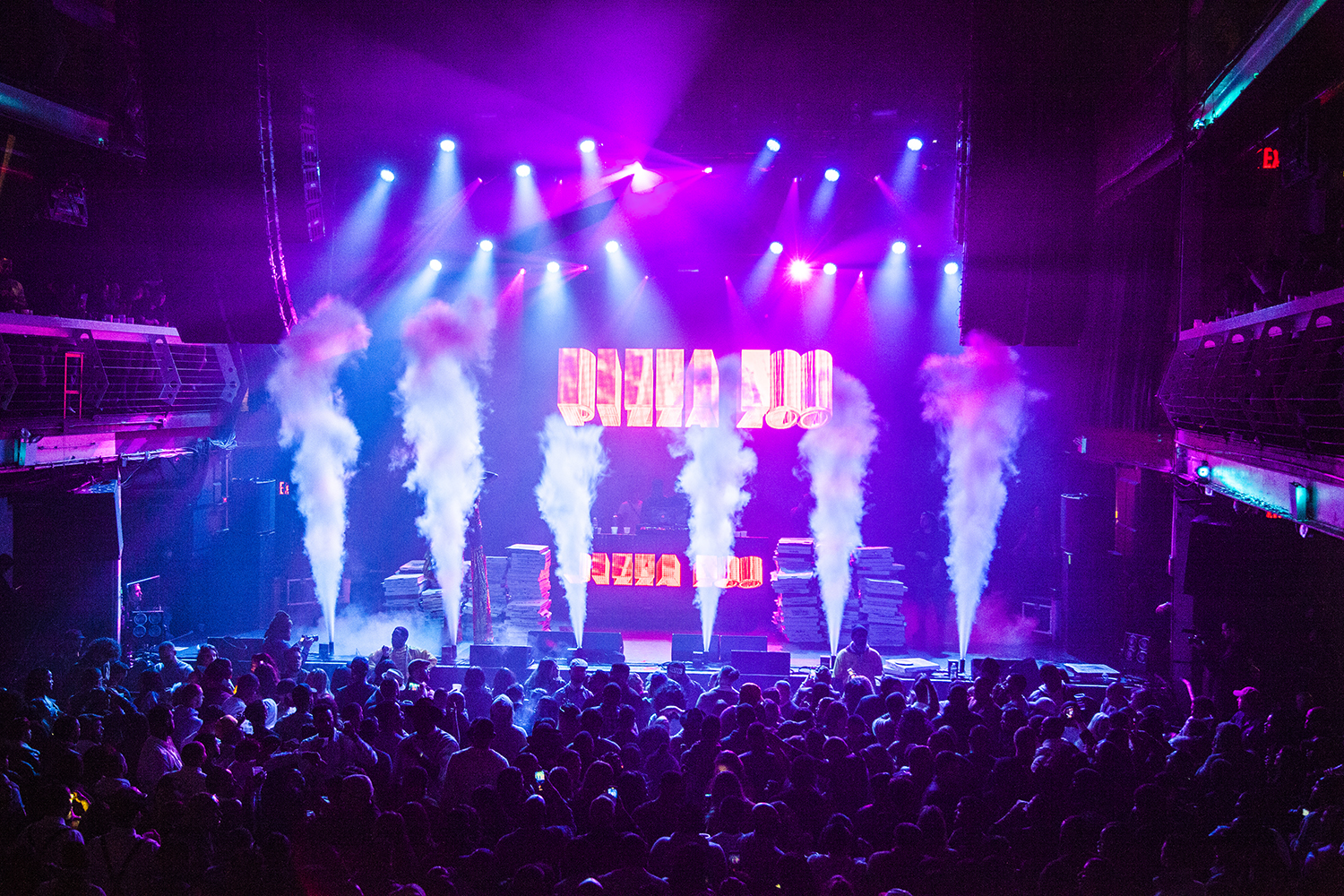
When Atmospheric Effects Become the Main Attraction
The Uninvited Star of the Show
The headliner had spent eighteen months crafting the perfect setlist. The production designer had invested countless hours programming intricate lighting sequences synchronized to every beat. Then the MDG ATMe hazer positioned stage left decided that subtlety was overrated, unleashing a biblical cloud that transformed the arena into something resembling a disaster movie. The audience couldn’t see the performer. The performer couldn’t see the audience. The video director captured thirty minutes of expensive fog instead of the show they’d been hired to document.
The Science Behind the Spectacle
Understanding why fog machines occasionally steal shows requires examining their operational principles. The glycol-based systems from manufacturers like Ultratec and Rosco heat proprietary fluid mixtures to precise temperatures, creating vapor that condenses into visible particles upon contact with cooler air. The Martin JEM K1 and similar high-output units can produce thousands of cubic feet of fog per minute—quantities designed for massive outdoor festivals that become overwhelming in enclosed spaces.
The particle density produced by these machines depends on multiple variables: fluid composition, heater temperature, ambient humidity, and air movement patterns. A fog machine that performed perfectly during afternoon soundcheck may produce dramatically different output once thousands of warm bodies raise venue temperature and humidity levels. The thermal dynamics of occupied spaces create conditions that no amount of rehearsal fully replicates.
Historical Fog Disasters
The entertainment industry’s relationship with theatrical fog stretches back centuries, with each era producing its memorable failures. Dry ice effects in 1940s Hollywood created the low-lying mist that defined horror films—and occasionally sent stagehands to hospitals with cryogenic burns. The transition to glycol-based fog in the 1970s eliminated some hazards while introducing others, including the notorious ‘fog lung’ complaints from performers exposed to poorly maintained equipment.
The 1985 Live Aid concert at Wembley Stadium demonstrated fog’s potential for chaos on a global scale. Technical crews, unfamiliar with the specific atmospheric conditions created by 72,000 bodies in summer heat, deployed fog effects that combined with natural humidity to create visibility issues affecting both performers and the broadcast feed reaching billions worldwide. The incident accelerated development of more controllable haze systems that would eventually dominate professional production.
Modern Control Systems and Their Limitations
Contemporary fog control integrates with show management platforms through DMX512 and increasingly Art-Net protocols. The MDG theONE offers programmable output levels and fan-assisted dispersion that theoretically enable precise atmospheric control. Look Solutions and Jem products include similar features, allowing lighting programmers to coordinate fog density with specific cues.
Yet these control systems cannot account for every variable. A sudden HVAC cycle can redistribute carefully placed haze into concentrated pockets. An unexpected door opening creates pressure differentials that channel fog toward unintended areas. The atmosphere technician monitoring fog deployment must constantly adjust for conditions that no preset cue anticipates—a task that becomes nearly impossible during complex shows where attention focuses elsewhere.
Practical Management Strategies
Preventing fog from stealing shows begins with conservative programming. Experienced production managers specify minimum effective doses rather than dramatic effects that risk overwhelming venues. Deploying multiple smaller hazers distributed throughout the space creates more even coverage than single high-output machines. The Unique 2.1 and similar oil-based cracking hazers offer finer particle sizes that disperse more predictably than glycol fog.
Communication between lighting, video, and atmosphere departments proves essential for real-time adjustment. Establishing clear protocols for reducing or killing fog output prevents the escalation that transforms atmospheric enhancement into visibility crisis. The show caller must have authority to override programmed cues when conditions demand—a responsibility that requires both technical knowledge and diplomatic skill when artistic egos resist alteration.
Emergency Response Protocols
When fog does steal the limelight, rapid response minimizes damage. Killing fog machines immediately stops additional output but doesn’t clear existing atmosphere. HVAC coordination can accelerate clearance, though this requires advance arrangement with venue operations. Some productions maintain portable high-velocity fans for emergency dispersion—crude but effective when visibility becomes genuinely hazardous.
Documentation of fog incidents protects productions from liability while enabling process improvement. Recording machine settings, fluid lot numbers, and environmental conditions creates data for analyzing what went wrong. The production that learns from fog disasters develops institutional knowledge that prevents recurrence—while those that dismiss incidents as flukes inevitably repeat them.
