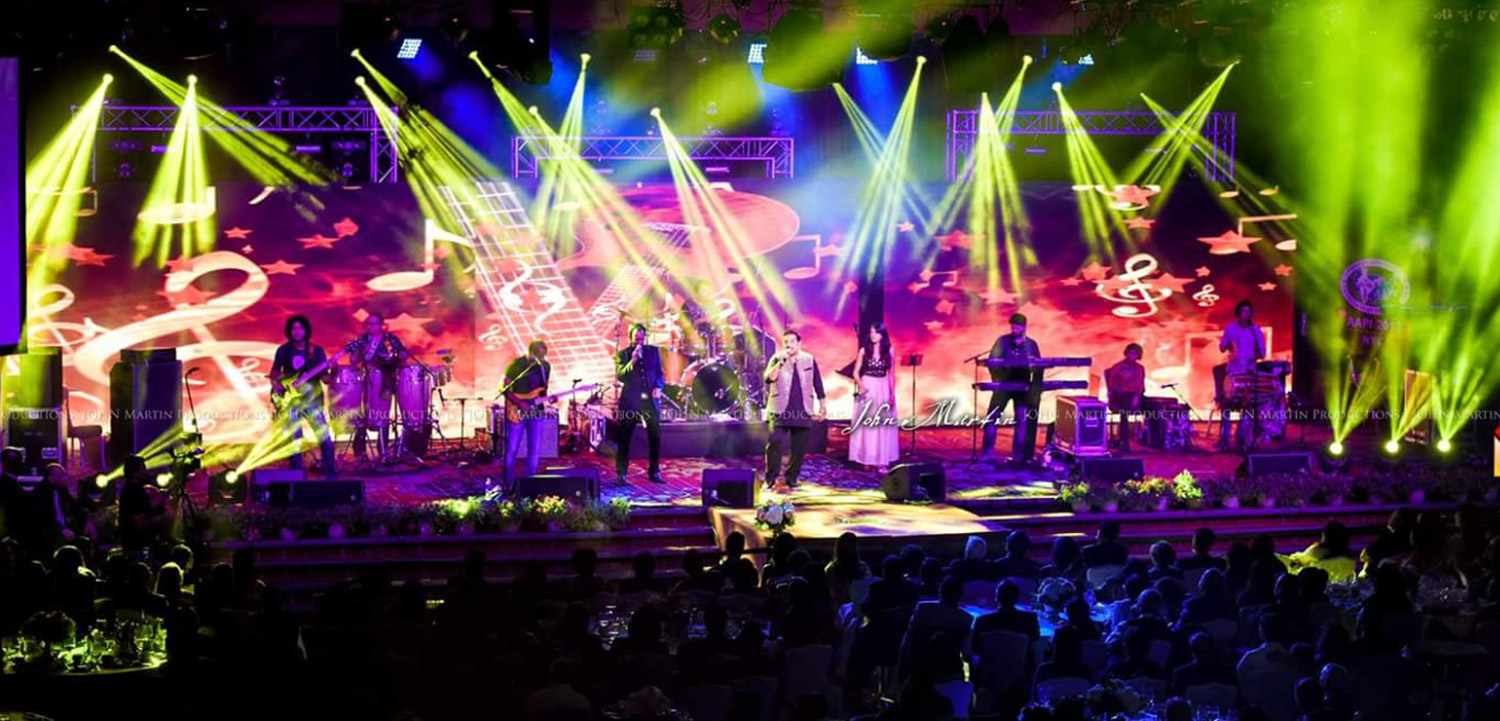
There’s a particular kind of production chaos that has a specific name in the industry: cross-rental hell. It describes the state of a large event where lighting fixtures from Neg Earth are being driven by a console from HSL running next to a video system from XL Video, while the audio patch came from Capital Sound and the rigging was sourced from Total Solutions Group — all under a production manager who is responsible for making certain that none of it conflicts, all of it is insured, and every item goes back to the right company on the right truck. Welcome to the daily reality of large-scale event production.
The Origins of Cross Rental Culture
Cross rental — the practice of one rental company supplying gear from another company’s inventory — grew organically from the touring industry’s capacity constraints in the 1980s and 1990s. When a Britannia Row Productions audio system was already committed to a tour and a promoter needed matching gear for a parallel run of dates, a neighbouring company’s inventory filled the gap. Over time, this evolved into formal inter-company rental agreements with standardised paperwork, insurance frameworks, and rates — a functioning grey market that the industry couldn’t operate without.
The Documentation Framework: Starting With Asset Lists
Managing cross rental begins before anything leaves a warehouse. A rigorous outbound asset manifest — itemising every case, unit, and consumable by serial number, asset tag, and condition report — is the foundation of any cross-rental relationship. Software like Current RMS, Rentman, or IntelliEvent Lightning has become standard in mid-to-large rental houses for exactly this reason. These platforms generate QR-coded asset labels, track gear movements between sub-rented locations, and flag items for maintenance scheduling — critical when fixtures have crossed three company warehouses before arriving on a show site.
The production manager’s cross-rental bible should include: source company contact details and after-hours emergency numbers; replacement cost values per item for insurance purposes; compatibility matrices confirming that gear from different sources works together (DMX addresses, power requirements, connector types); and a return logistics plan specifying which truck, which company rep signs off, and what happens if damage is discovered during de-rig.
The Compatibility Problem: When Gear Meets Gear
The most technically dangerous aspect of cross-rental is assumed compatibility. A grandMA3 console from one company driving Claypaky Sharpy Plus units from another assumes both are running compatible firmware versions and that the supplied personality files match the actual fixture mode. Mismatched personalities cause anything from minor parameter mapping errors to fixtures that go into safe mode on stage during a show.
The same issue manifests in audio. A DiGiCo SD12 sourced from one house driving d&b audiotechnik amplifiers from another requires that the d&b ArrayCalc presets loaded into the amps match the actual physical speaker deployment — not the previous show’s configuration. In video, disguise servers from different companies may be running different r-number software versions, which can cause project incompatibility or rendering engine mismatches in cluster configurations.
On-Site Management: The First Six Hours
When cross-rental gear arrives on site, a dedicated systems integration check before any other crew touches equipment is non-negotiable. This means powering up all sourced items in a controlled sequence, confirming firmware versions against the show’s compatibility matrix, and running basic functionality tests before anything goes into the rig. Discover a faulty Robe BMFL Spot at this point and you have time to source a replacement; discover it during focus and the day derails.
Assign a gear custodian from each department — someone whose job includes tracking which items came from which source company and flagging any damage or malfunction immediately. Daily production reports should log the operational status of all cross-rented items, creating a paper trail that protects both the production and the rental companies in any post-show dispute.
Insurance and Liability: The Paperwork Nobody Enjoys
The insurance framework for cross-rental requires specific attention. Standard production liability policies don’t automatically cover damage to third-party rental equipment in all jurisdictions. Verify that your hired-in plant and equipment cover explicitly names sub-rented gear and check whether the supplying company requires being listed as an additional insured on your policy. Some rental companies — particularly for high-value items like L-Acoustics K1 arrays or ARRI lighting packages — will carry their own all-risks insurance and charge a premium accordingly.
The Return: Where Costs Are Made or Lost
De-rig is where cross-rental management either succeeds or generates invoices that will haunt the production for months. A clear return protocol requires gear to be returned in the same flight cases it arrived in, with condition reports signed by both the production-side custodian and the collecting company’s representative. Items going back to different companies on the same truck — a common logistical compromise — need clearly separated casing and manifest documentation so that company A’s fixtures don’t end up in company B’s warehouse and vice versa. It sounds obvious; it happens constantly.
Productions that handle cross-rental logistics well treat the paperwork as a core production discipline equal in importance to the technical rider or the show schedule. The cost of a missing asset dispute between two rental companies — particularly one involving high-value LED panels or automation equipment — can exceed the rental savings that motivated the cross-rental arrangement in the first place. Document everything, test everything, and respect every piece of gear as if it were your company’s own.
