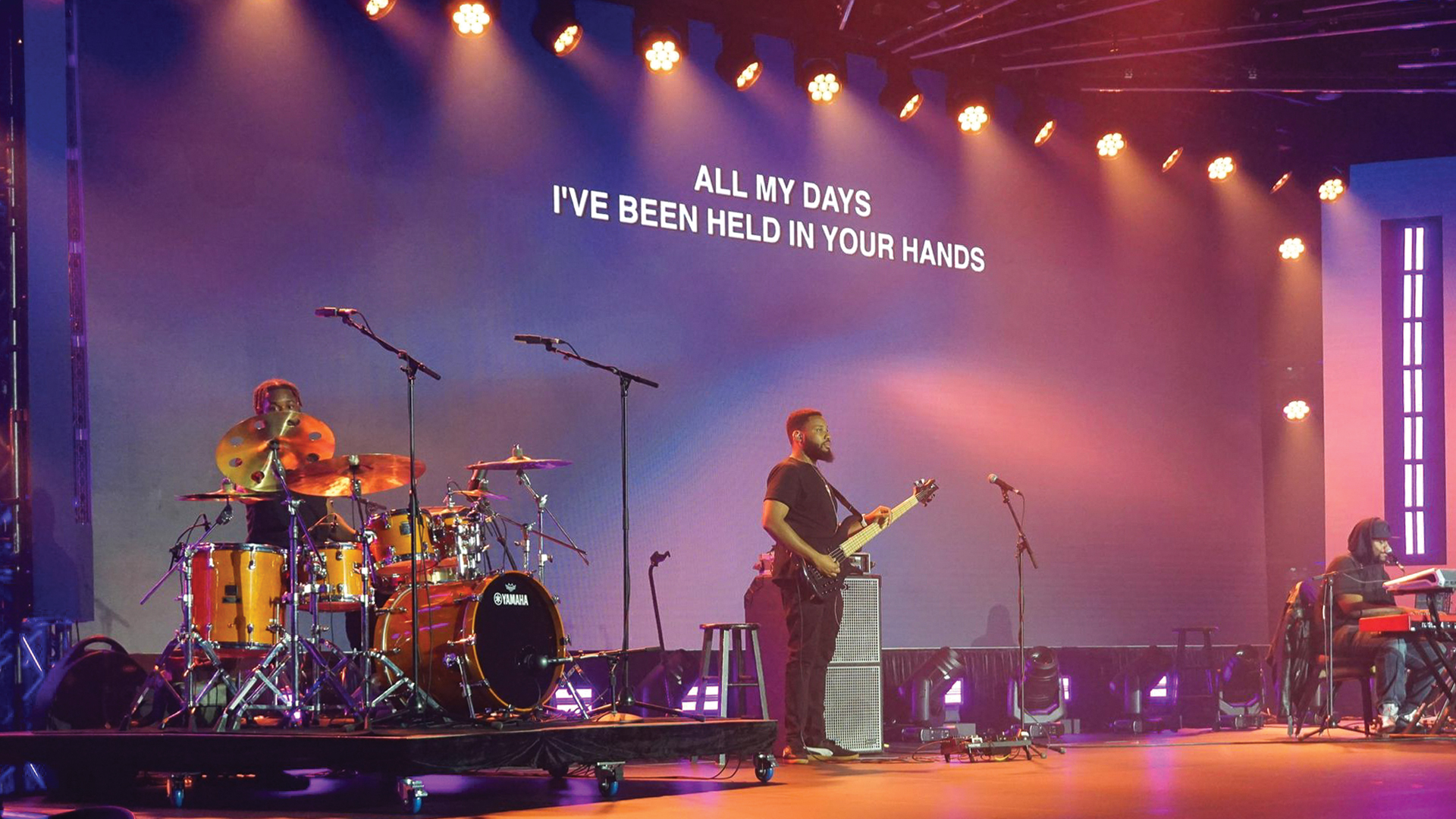
The audience microphones deployed for broadcast and recording purposes serve a simple function: capture crowd response to enhance the live experience for remote audiences. These unassuming devices positioned throughout venues occasionally capture far more than cheers and applause—becoming unintended witnesses to private moments never meant for transmission.
The Ambient Array Confession
Professional broadcast audio relies on strategically positioned ambient microphones that capture the energy of live audiences. The Schoeps CCM 4 and DPA 4011 cardioid capsules excel at this task, providing rich crowd sound that television mixers blend beneath commentary and program audio. Their sensitivity means they capture everything within their pickup patterns—including conversations audiences assume remain private.
The couple arguing in row twelve about whose idea it was to attend this concert. The executive discussing confidential merger details during halftime. The teenager confessing feelings to their companion during a quiet moment between songs. All become potential broadcast content when they occur within range of audience capture systems that never stop listening.
Boundary Layer Surveillance
The boundary microphones mounted along stage edges and within set pieces capture sound through a different acoustic principle. The Crown PCC-160 and Audio-Technica AT871R use the floor or mounting surface as part of their pickup pattern, creating hemispherical sensitivity that captures everything above them with remarkable clarity.
Front-row audience members conversing during quiet moments find their words collected by these unobtrusive devices. The broadcast mixer monitoring these channels hears fragments of conversation that sometimes prove more entertaining than the programmed content. Professional ethics demand these captures remain unbroadcast, but the recordings exist—archived somewhere in production storage.
The Hanging Microphone Network
Major venues often install permanent overhead microphone arrays that provide comprehensive audience coverage for any production. These Neumann KM 184 clusters hanging from catwalks capture crowd sound from above, their small-diaphragm precision picking up conversations that participants believe lost in the ambient noise surrounding them.
The assumption that crowd noise masks individual voices proves frequently incorrect. The signal processing capabilities of modern broadcast systems can isolate frequency ranges where human speech resides, potentially extracting intelligible dialogue from apparently chaotic crowd recordings. What sounds like anonymous noise contains recoverable information.
The Wireless Microphone Overlap
Large productions deploy dozens of wireless microphone channels operating simultaneously. The Shure Axient Digital and Sennheiser Digital 6000 systems provide spectrum efficiency that allows dense channel packing—but RF environments occasionally create unexpected interactions.
A performer’s wireless microphone receiving interference from a nearby frequency might capture modulated audio from entirely different sources. The intermodulation products that RF engineers work to eliminate can carry intelligible audio from other wireless systems operating in the venue—including systems not part of the production.
Historical Broadcast Incidents
The history of live broadcast production includes numerous instances where audience microphones captured and transmitted content never intended for broadcast. Sports broadcasts have aired profanity from nearby fans. Awards shows have captured celebrity commentary during commercial breaks. Concert recordings have preserved audience conversations that provide unintended documentary value.
The seven-second broadcast delay that protects live television from profanity and wardrobe malfunctions also protects against accidental audience revelations—when operators catch them in time. The broadcast audio engineer monitoring audience channels must balance the desire for authentic crowd energy against the risk of transmitting private conversations.
Recording Session Realities
Live album recordings capture performances for commercial release, deploying multitrack recording systems that isolate every input for later mixing. The audience microphone tracks from these sessions contain hours of crowd sound that producers review while creating the final product.
Mixing engineers working with Pro Tools and Logic Pro sessions from live recordings occasionally discover audience conversations embedded within crowd tracks. Some become legendary within production communities—the marriage proposal captured during a ballad, the heated argument during an intermission, the confession shouted during a quiet moment that the confessor assumed nobody could hear.
The Ethics of Ambient Capture
Professional audio production maintains ethical standards regarding inadvertently captured content. The Audio Engineering Society promotes best practices that include respecting privacy even when technical capabilities allow its invasion. Most productions never use identifiable audience audio without explicit consent.
Yet the recordings exist. Somewhere in archive storage, hard drives contain audience microphone tracks from thousands of productions—each potentially including conversations their participants assumed remained private. The retention policies that production companies maintain determine how long this inadvertent surveillance remains accessible.
Technical Countermeasures
Some venues implement acoustic privacy measures that limit audience microphone pickup effectiveness during sensitive moments. Pink noise generators and targeted masking sounds can prevent intelligible speech capture while maintaining appropriate crowd energy for broadcast. These measures acknowledge the tension between production needs and audience privacy.
The frequency response shaping available in modern processors allows engineers to reduce intelligibility in audience channels while preserving crowd energy. Rolling off frequencies critical for speech comprehension transforms clear conversation into unintelligible texture—achieving broadcast objectives without preserving private content.
Living in the Listening Room
Audiences attending broadcast events enter environments where microphones capture continuously. The ticket purchase that grants venue access also places attendees within recording zones where their voices become potential production content. This reality receives minimal disclosure despite its significant privacy implications.
The microphones that pick up audience secrets do so without malicious intent—they simply capture everything within their pickup patterns, and everything includes private moments. The audio professionals managing these systems bear responsibility for handling captured content appropriately, but the capture itself occurs automatically, continuously, and comprehensively.
Perhaps the safest assumption for any attended event involves treating the entire venue as a recording studio where every word might be preserved. The microphones are always listening—and they have exceptional hearing.
