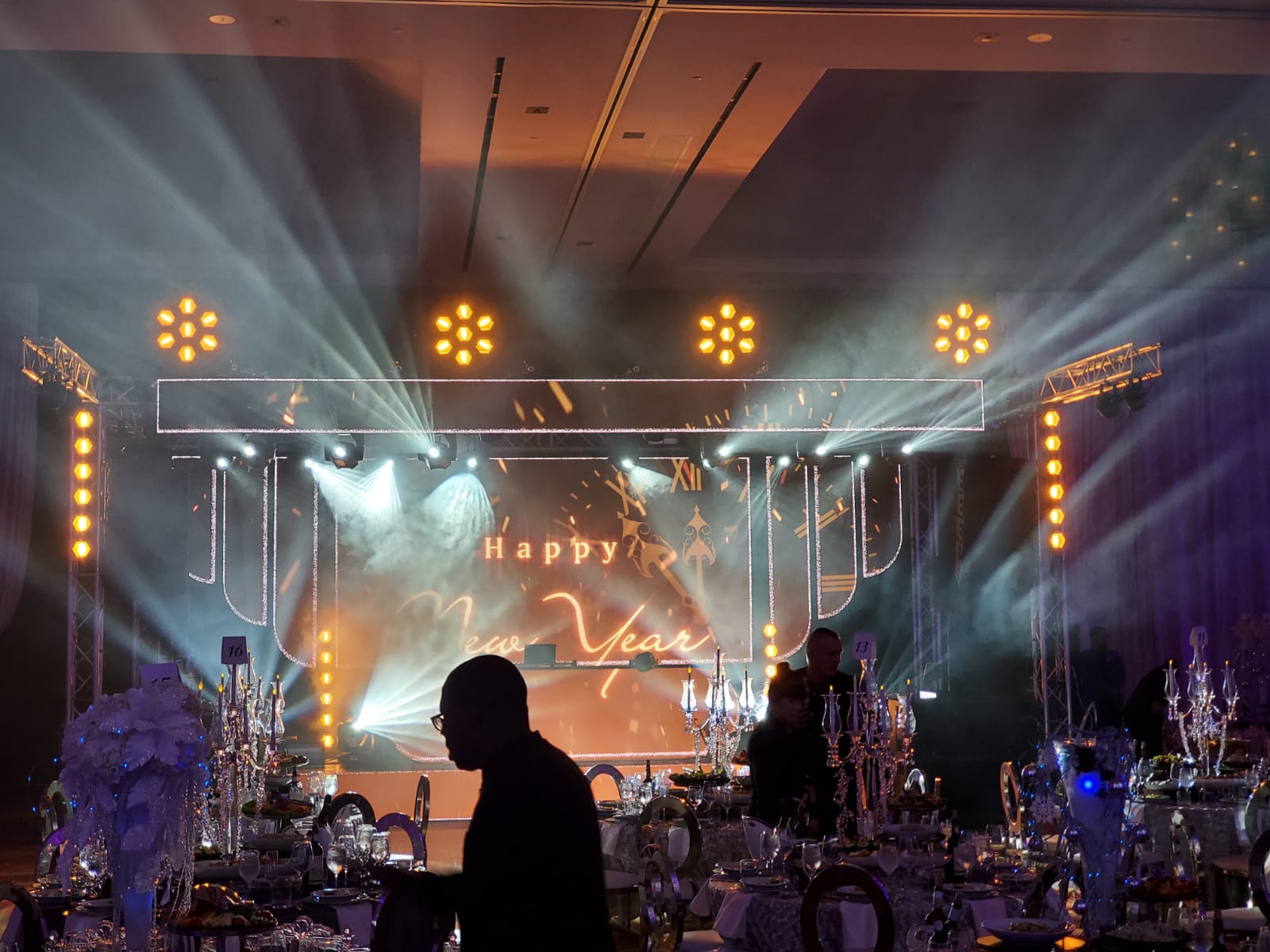
When Follow Spots Develop Minds of Their Own and Chase the Drummer Instead
The Night the Spotlight Fell in Love with the Bassist
Every seasoned follow spot operator knows that moment of pure terror when their Robert Juliat Lancelot 4K HMI decides the lead vocalist is far less interesting than the guy tuning his bass in the shadows. The industry calls it operator error, but those of us who’ve spent decades behind the spotlight controls know better—sometimes these machines simply choose violence.
Back in 1987, the legendary Madison Square Garden incident saw three Strong Super Trouper followspots simultaneously lock onto a roadie carrying a pizza across the stage during Whitney Houston’s performance. The poor guy froze like a deer, illuminated by 7,000 watts of theatrical brilliance, while Whitney herself stood in relative darkness wondering if she’d been upstaged by pepperoni.
Understanding DMX Protocol Rebellion
The technical explanation involves DMX512 protocol hiccups, where data packets traveling at 250,000 bits per second occasionally decide to take scenic routes through your lighting network. When you’re running a GrandMA3 console with sixty universes of data, the mathematical probability of a spotlight going rogue approaches certainty by your third show.
Modern automated followspots like the Robe BMFL FollowSpot use sophisticated tracking systems that communicate with cameras and operators remotely. Yet somehow, these technological marvels still manage to occasionally fall desperately in love with the least appropriate target—typically the stage manager checking their clipboard or that one audience member whose sequined jacket reflects light like a disco ball from hell.
Historical Spotlight Disasters Worth Remembering
The history of theatrical lighting is peppered with spotlight rebellion. When Thomas Edison first demonstrated his incandescent spotlight at the Paris Opera in 1881, the carbon arc mechanism allegedly tracked a rat crossing the stage instead of the soprano. Some historians dispute this, but anyone who’s worked with vintage carbon arc spotlights knows those machines had personalities best described as ‘aggressively unhelpful.’
The 1965 Academy Awards featured what insiders still call ‘The Julie Andrews Incident,’ where a Kliegl Brothers spotlight operator allegedly fell asleep and the automated tracking system (primitive by today’s standards) followed a stagehand’s cigarette glow instead of the performers. The spotlight rental industry learned a valuable lesson that night about backup operators and caffeine supplies.
Practical Tips for Keeping Your Spots on Target
First, always calibrate your pan and tilt encoders before every show, not just during tech week. The Lycian Stage Lighting models from the 1990s were notorious for developing drift, and even modern LED followspots from manufacturers like ETC and Chauvet Professional can develop calibration issues after touring in trucks through winter weather.
Second, your lighting console programming should include fail-safe positions. Program a ‘rescue cue’ that snaps all followspots to predetermined safe positions—typically center stage, head height. When your spot operators lose their target (and they will), a single keystroke should bring order to chaos.
The Psychology of Follow Spot Operation
Operating a followspot for eight hours requires a peculiar mental state somewhere between meditation and paranoid hypervigilance. The human eye naturally tracks movement, which means your operator will instinctively follow whoever moves most—usually not the stationary lead singer but the energetic backup dancer having the time of their life stage left.
Training your followspot crew should include recognition exercises using photographs. They need to memorize faces, not just positions. During the 2019 Coachella festival, a PRG GroundControl Followspot System operator tracked the wrong twin for an entire Tegan and Sara set—a mistake only noticed during playback review the following week.
When Technology Creates New Problems
The advent of automated tracking systems using RFID tags and infrared beacons was supposed to eliminate human error. Instead, we discovered that technology simply creates more sophisticated failures. The Zactrack tracking system revolutionized theatrical lighting, but early installations occasionally confused stage props with performers when UWB anchors experienced interference.
One Broadway production famously had their entire intelligent lighting rig track a wheeled piano across the stage for three performances before anyone identified the problem—a misplaced tracking beacon had been taped to the instrument during tech rehearsals and never removed.
Building Redundancy Into Your Spotlight System
Professional lighting designers now spec redundant DMX distribution systems with automatic failover. Running your followspots through both primary and backup Art-Net networks means a single point of failure won’t turn your headline act into a shadow puppet show.
The Luminex network switches favored by touring productions offer redundant Ethernet pathways that automatically reroute data when cables fail. Combined with proper cable management and clearly labeled DMX runs, your spotlight system becomes resilient enough to survive everything except operator rebellion or genuine equipment malfunction.
The Art of the Graceful Recovery
When your spotlight inevitably decides the lead guitarist’s amp stack deserves more attention than the vocalist, the professional response involves three steps: smooth correction, pretend confidence, and immediate post-show documentation. The production manager reviewing your show reports should see honest accounts of equipment behavior, not creative fiction about ‘artistic choices.’
The greatest spotlight operators in history have all experienced equipment betrayal. What separates professionals from amateurs is the recovery speed and the ability to make audiences believe that illuminating the potted plant stage right was absolutely intentional. Sometimes the spotlight knows something we don’t—or at least that’s what we tell ourselves while filling out incident reports and checking our equipment maintenance logs.
Future-Proofing Your Follow Spot Operations
The future of follow spot technology lies in AI-assisted tracking that can distinguish performers from crew members through facial recognition and costume identification algorithms. Companies like Blacktrax and Follow-Me are developing systems that promise to make the classic ‘wrong performer’ mistake a relic of the past.
Until then, we rely on well-trained operators, properly maintained equipment, and the universal understanding that every spotlight in existence harbors a secret desire to illuminate the most inappropriate target available. It’s not a bug—it’s a feature of working in live production, and it’s why we always have backup plans, backup operators, and backup stories for the inevitable post-show debrief.
